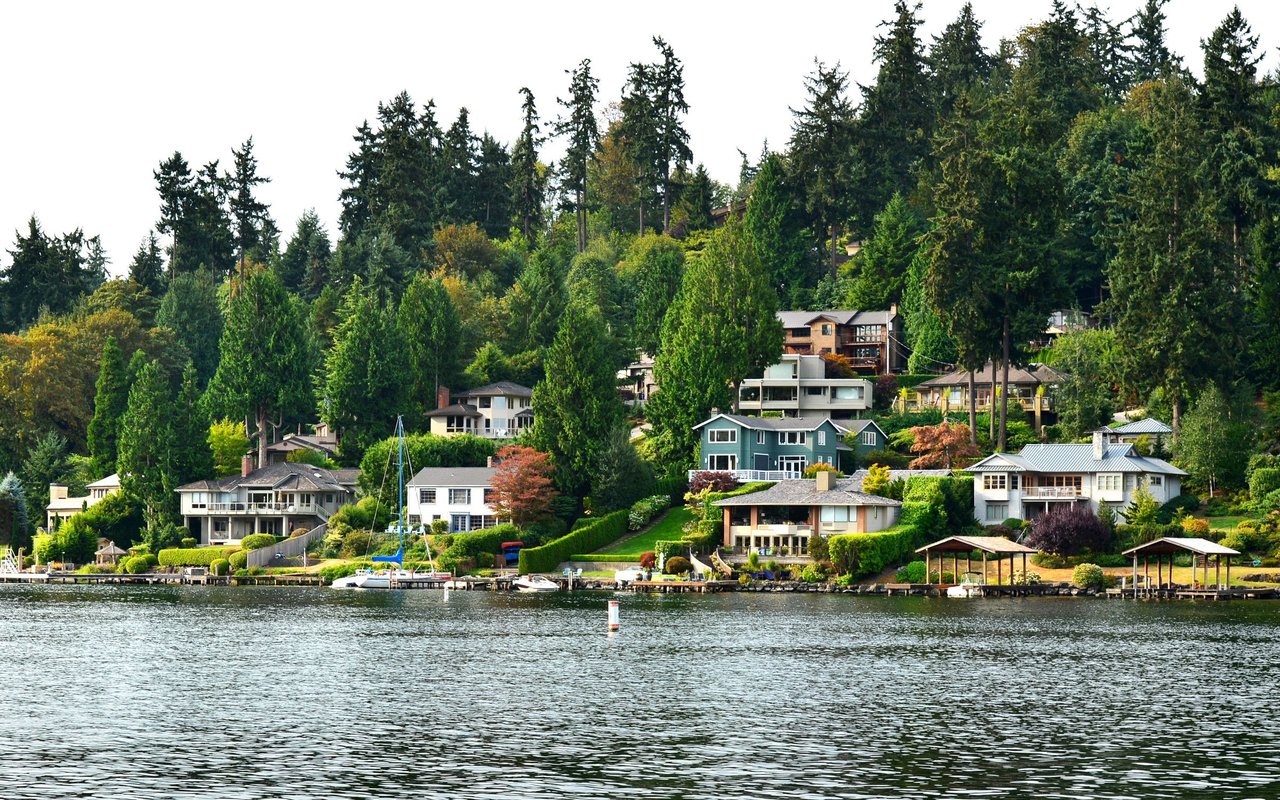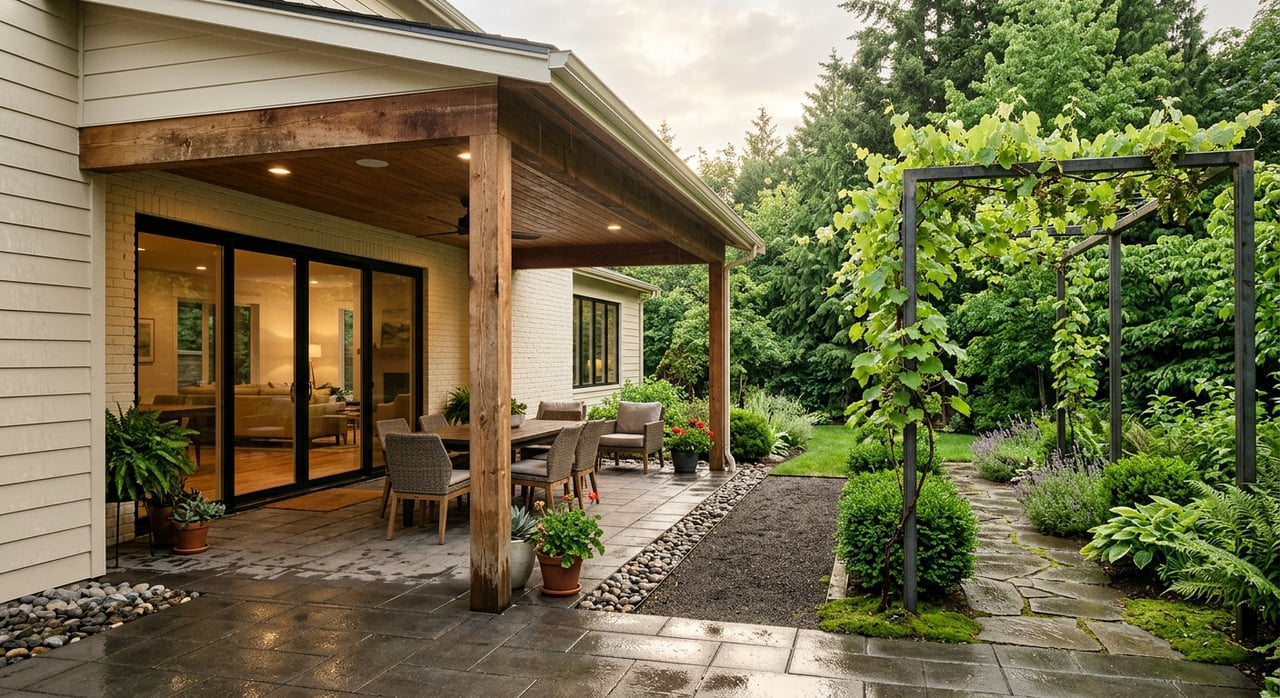
If you want Eastside convenience without giving up a more relaxed, scenic feel, Woodinville tends to stand out quickly. You may know it for wine tasting, but living here is about more than weekends at tasting rooms. From housing choices to trails, parks, dining, and commuting access, Woodinville offers a lifestyle that feels both polished and grounded. Let’s take a closer look.
Why Woodinville draws attention
Woodinville blends a small-city scale with strong Eastside access. The city had an estimated population of 13,942 in July 2024 and 14,548 in July 2025, all within just 5.62 square miles of land area. That smaller footprint can make the area feel more intimate than some nearby suburban markets.
The city is also known for a pastoral pace that still connects well to Seattle and Bellevue. Official tourism materials frame Woodinville around wine, breweries, distilleries, parks, and community events, which helps explain why the area often feels like a lifestyle destination as much as a place to live.
From a housing-cost perspective, this is a higher-price market. Census data shows a median owner-occupied home value of $1,100,100, a median gross rent of $2,416, and a median household income of $164,398. For many buyers, that means Woodinville is a market you enter with a clear plan and strong local guidance.
Woodinville lifestyle beyond wine
Woodinville’s wine identity is real, but it is not the whole story. The area is home to more than 130 wineries, and official destination materials promote custom wine touring and recurring events such as After Hours Wine Walks and Celebrate Woodinville gatherings. That gives the city a social and recreational layer that is hard to replicate elsewhere on the Eastside.
At the same time, daily life here is not limited to tasting rooms. Local destination guides also highlight restaurants, breweries, distilleries, shopping, parks, and trails, which makes Woodinville feel more like a complete community than a single-theme destination.
If you are wondering whether the area feels too tourism-driven for full-time living, the answer is usually no. In practice, Woodinville works best as a normal residential city with a strong lifestyle bonus built in.
The four Woodinville wine districts
Woodinville Wine Country organizes the area into four districts, and each one creates a slightly different feel.
- Hollywood: lively, restaurant-oriented, and one of the most social parts of the area
- Warehouse District: more production-forward with an industrial character
- West Valley: more relaxed and wide-open in feel
- Downtown: newer additions to food, drink, and shopping
For buyers, this matters because lifestyle is often tied to proximity. If you want the ability to pop into tasting rooms or restaurants more often, some areas may feel more convenient than others.
Dining and everyday options
Dining is broader than many people expect. Official Woodinville materials highlight a mix that includes wood-fired pizza, farm-to-table fare, burgers, and cuisines such as Indian, Mexican, Italian, Thai, and vegetarian options.
That variety helps support year-round livability. You are not just buying into a wine scene. You are choosing a place where casual nights out, weekend plans, and meeting friends can all happen close to home.
What homes in Woodinville look like
Woodinville’s housing stock is still led by single-family homes, which is part of its appeal for many Eastside buyers. According to the city’s 2024 comprehensive plan update, detached single-family homes make up 54.4% of the housing stock, while multifamily homes account for nearly 40%, attached single-family homes about 4.8%, and duplexes about 1.1%.
That mix gives you more than one path into the market. You can find single-family neighborhoods, but there is also a meaningful multifamily presence, especially closer to the city’s central areas.
The housing stock is also relatively newer than in many suburban communities. The same plan reports that 16% of homes were built since 2010, while only 20% were built before 1980. If you value more modern layouts, newer systems, or less deferred maintenance, that can be an important advantage.
Larger lots and more pastoral settings
One of the clearest differences within Woodinville is lot size. The city’s zoning framework shows that the eastern part of Woodinville is mostly zoned R-1, with a minimum lot size of 35,000 square feet, while much of the western part has smaller-lot zoning such as R-4, R-6, and R-8.
In practical terms, that means the eastern side tends to hold more of the larger-lot, more spacious-feeling properties. If you are searching for a setting that feels more private, open, or semi-rural while staying in the Eastside orbit, those areas may be especially appealing.
By contrast, downtown and the central business district contain more of the city’s multifamily and mixed-use housing capacity. The city is also directing future growth toward the Central Business District, which is useful to know if you prefer a more urban pattern of development.
Who tends to like living here
Woodinville often appeals to buyers who want more breathing room without disconnecting from Eastside job centers. Based on the city’s housing mix, larger-lot opportunities, and access to nearby Seattle and Bellevue, the area can be especially attractive to move-up buyers, established households, and commuters who want a residential setting with a lifestyle edge.
It can also be a strong fit if you are relocating and want a market that feels distinct from denser Bellevue or Seattle neighborhoods. You may be able to gain a different sense of space and pace while still staying connected to the region.
That said, fit matters. If your top priority is highly walkable, urban living right outside your front door, Woodinville may feel more district-specific than citywide in that respect.
Parks, trails, and outdoor time
A big part of Woodinville’s appeal is how easy it is to get outside. The city says it has three community parks, five neighborhood parks, and more than 130 acres of open space and environmental protection areas.
Wilmot Gateway Park is a standout local asset. It includes a playground and open play area, connects directly to the Sammamish River Trail, and hosts events such as 5K races and the Celebrate Woodinville Summer Concert Series.
For many residents, these features shape daily life more than visitors might realize. They create simple ways to spend time outdoors, meet friends, or build routines around walking, biking, and family outings.
The Sammamish River Trail advantage
The Sammamish River Trail is one of Woodinville’s most useful lifestyle features. King County describes it as a paved 10.1-mile regional trail running from Bothell through Woodinville to Marymoor Park in Redmond.
The trail serves walkers, joggers, cyclists, skaters, and some equestrian use on allowed segments. It also passes wineries and breweries and is used by commuters as well as recreational users, which makes it more than just a scenic amenity.
If you value active living, this trail can become part of your weekly rhythm quickly. It adds a practical layer to the area’s leisure appeal.
Commuting and day-to-day access
Woodinville’s identity may feel calm, but it is not isolated. Sound Transit Route 522 serves Woodinville and Roosevelt Station, and SR 522 is identified by WSDOT as a key east-west corridor connecting Woodinville and Monroe.
Official destination materials also emphasize access to Seattle and Bellevue. Combined with the city’s reported mean travel time to work of 25.5 minutes, that supports Woodinville’s role as a realistic option for people balancing commute patterns with lifestyle goals.
For many buyers, this is where Woodinville makes the most sense. You can enjoy a more relaxed home environment while still keeping a workable connection to major employment centers.
Is Woodinville walkable?
Walkability in Woodinville depends a lot on where you are. The tasting districts, especially Hollywood and parts of Downtown, tend to offer the most linger-friendly experience with food, drink, and gathering places nearby.
Other areas function more like traditional Eastside residential neighborhoods, where a short drive or bike ride is often part of everyday life. That is not necessarily a drawback, but it is important to match your expectations to the specific part of the city you are considering.
When you tour homes here, it helps to think beyond the property itself. Pay attention to how close you want to be to dining, trail access, wine-country amenities, and your most common commute routes.
What to weigh before buying in Woodinville
Woodinville can be a compelling choice, but it is not one-size-fits-all. Before you buy, it helps to think through a few practical questions.
- Do you want a larger lot or a more central, lower-maintenance home?
- How important is quick access to tasting rooms, restaurants, and events?
- Would you rather be near Downtown or in a more spacious-feeling eastern setting?
- How often will you commute to Bellevue, Seattle, or other Eastside hubs?
- Are you comfortable with Woodinville’s higher home values and housing costs?
These questions can help you narrow your search faster. In a market like Woodinville, small location differences can create a very different daily experience.
Why local guidance matters here
Woodinville is not just one thing. It is a mix of wine-country energy, suburban convenience, newer housing, larger-lot pockets, and district-by-district lifestyle differences.
That is why a local, analytical approach matters. If you are comparing Woodinville to Bellevue, Kirkland, Sammamish, or other Eastside options, the right guidance can help you decide whether the area truly fits your space needs, budget, and day-to-day priorities.
If you are considering a move to Woodinville or preparing to sell in the area, working with an advisor who understands Eastside nuances can make the process feel much more focused and calm. To talk through your goals, connect with Latifa Sciore.
FAQs
What is Woodinville, WA known for as a place to live?
- Woodinville is known for its wine-country identity, with more than 130 wineries, plus restaurants, breweries, distilleries, parks, trails, and community events, all within an Eastside location that stays connected to Seattle and Bellevue.
What types of homes are common in Woodinville, WA?
- Detached single-family homes make up 54.4% of Woodinville’s housing stock, with multifamily homes making up nearly 40%, plus smaller shares of attached single-family homes and duplexes.
Where are larger-lot homes more common in Woodinville, WA?
- Larger-lot properties are more common in the eastern part of Woodinville, where much of the land is zoned R-1 with a 35,000-square-foot minimum lot size.
Is Woodinville, WA only for wine lovers?
- No. While wine is a major part of the city’s identity, residents also benefit from parks, trails, dining, shopping, and community events that support everyday living.
How easy is commuting from Woodinville, WA?
- Woodinville has access to Sound Transit Route 522, SR 522, and nearby Eastside job centers, and Census data reports a mean travel time to work of 25.5 minutes.
Is Woodinville, WA walkable for daily living?
- Walkability is more concentrated in areas like Hollywood and parts of Downtown, while many residential areas function more like traditional Eastside neighborhoods where driving or biking is often part of daily routines.