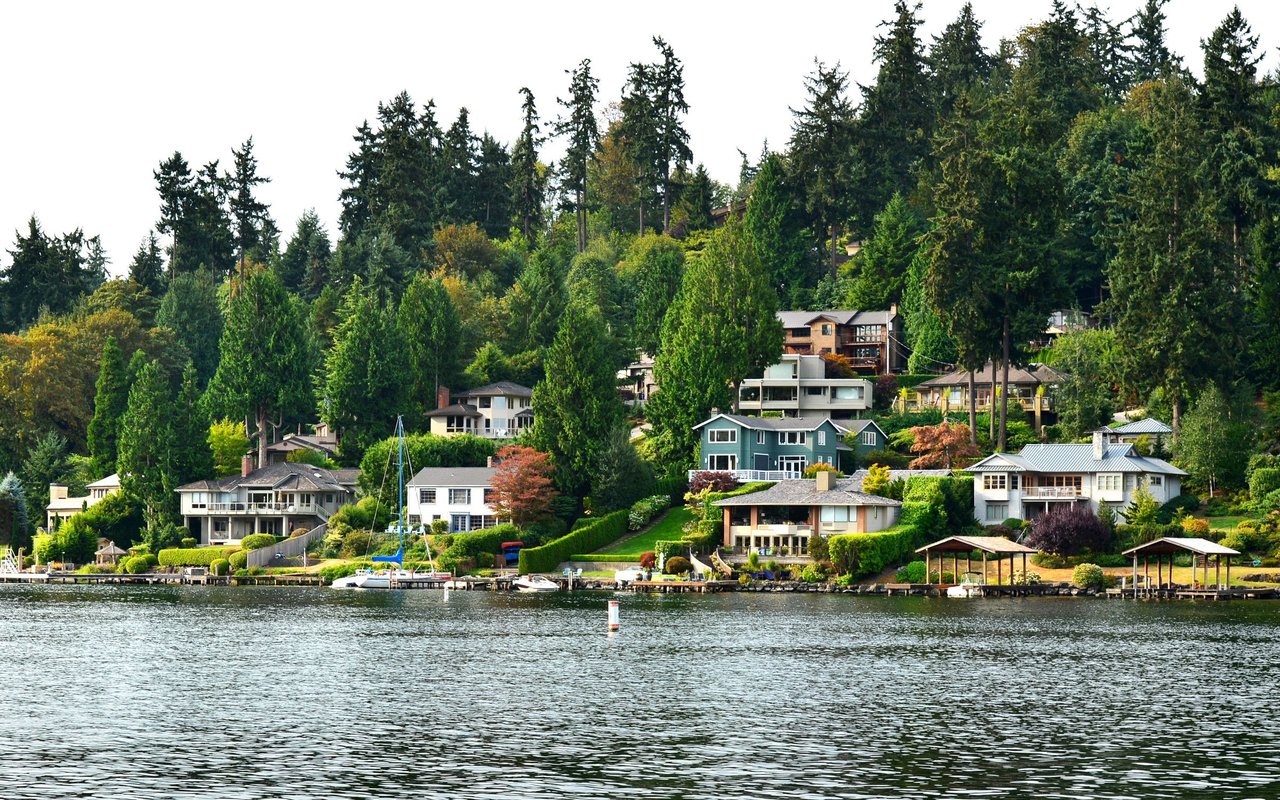
Thinking about trading Seattle’s city pace for mountain views and a little more breathing room? If North Bend is on your radar, it helps to know that this move is not just about changing ZIP codes. You are choosing a different housing mix, a different commute pattern, and a different day-to-day rhythm. This guide breaks down what to expect so you can decide if North Bend fits the life you want.
North Bend Feels Different From Seattle
North Bend is much smaller than Seattle, and that shapes daily life right away. Census QuickFacts lists North Bend at 7,461 residents, compared with Seattle’s 737,015 in 2020. North Bend also has a much higher owner-occupied housing rate at 75.3%, while Seattle sits at 43.7%.
In practical terms, that usually means a more owner-heavy environment with less renter turnover. If you are moving from Seattle, North Bend may feel quieter and more residential. It is a different kind of community experience, with a stronger emphasis on detached homes and a smaller-town setting.
Housing Stock in North Bend
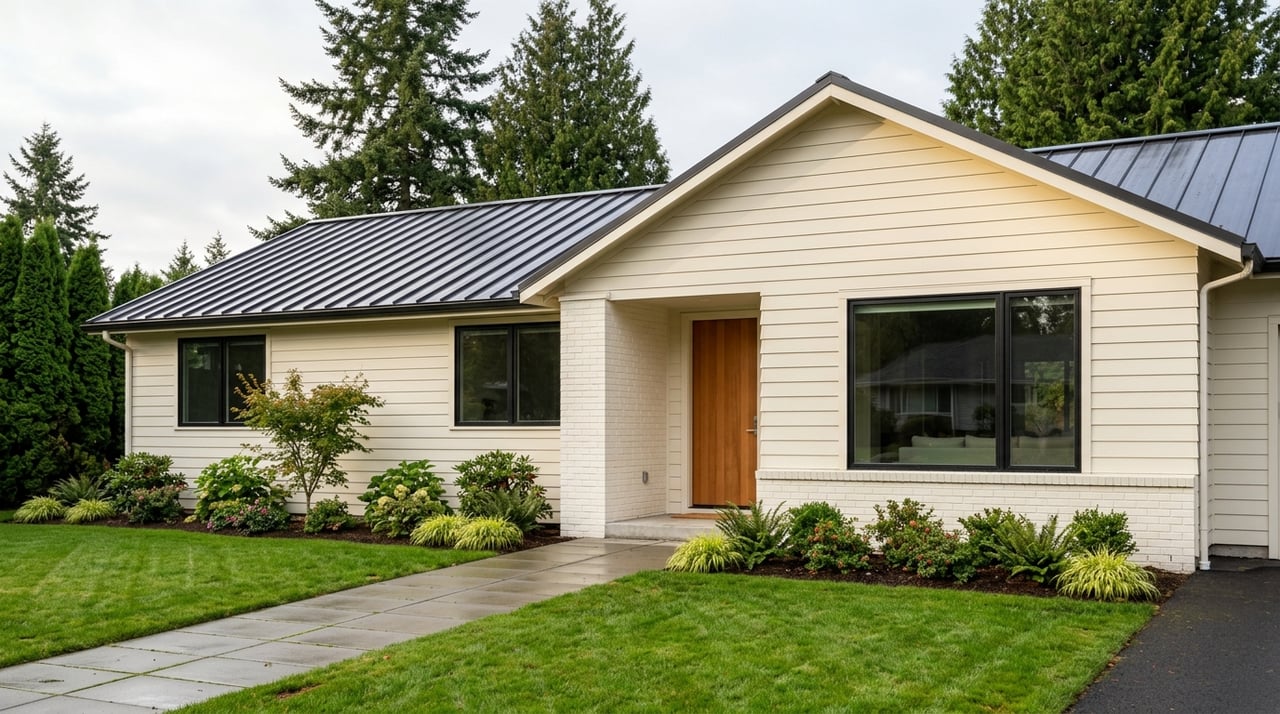
North Bend’s housing supply leans heavily toward single-family homes. The city’s housing planning documents counted 2,792 housing units, with about 66% classified as single-family. Since 2010, roughly 91% of housing permits have also been for single-family homes.
That matters if your goal is more space, a yard, or a home that feels more connected to the outdoors. It also means your options may look narrower than what you are used to in Seattle, where the housing mix includes more apartments, condos, and other attached housing types.
There is one more important detail to keep in mind. About 83% of North Bend homes were built before 1999, so if you buy there, you may want to plan for maintenance, updates, or system improvements over time.
Home Prices Are Not Necessarily Lower
A common assumption is that moving out from Seattle means you will automatically spend less on housing. In North Bend, that is not always true. Census and ACS figures show similar owner-occupied home values, with North Bend at $933,700 and Seattle at $938,600.
Current listing data shows an even bigger gap. Realtor.com’s March 2026 snapshot puts North Bend’s median listing price at $1.099 million, while Seattle’s median listing price is $769,749. That does not mean every North Bend home costs more than a Seattle home, but it does show that moving farther east does not guarantee a lower price point.
For many buyers, the value equation in North Bend is about space, setting, and access to recreation, not a cheaper purchase. If you are comparing the two areas, it helps to look at what you are getting for your budget rather than focusing on distance from downtown alone.
Inventory Is Much Tighter in North Bend
Inventory is another major difference between the two markets. Realtor.com reported 103 homes for sale in North Bend in March 2026, compared with 3,125 homes for sale in Seattle. Both markets were described as seller’s markets, but North Bend’s inventory is far thinner.
That smaller pool of listings can make timing and flexibility especially important. If you are hoping for a specific home style, lot size, or location near trails, you may need to wait longer or move quickly when the right property comes up.
This is where a strategic, local search matters. A small market can feel simple at first glance, but limited inventory often makes planning more important, not less.
Renting in North Bend Is Harder
If you want to rent first and buy later, Seattle gives you far more options. Realtor.com reported 2,485 rental listings in Seattle, compared with just 7 rental listings in North Bend in the same March 2026 snapshot. The rental market in North Bend is small enough that Realtor.com does not calculate a median rental price there.
That can make it harder to test-drive the area before committing to a purchase. If your move depends on a short-term rental, temporary landing spot, or flexible lease timing, North Bend may require more planning than Seattle.
Commute Reality Matters
North Bend may offer scenic surroundings, but it is still connected to Seattle-area work patterns. The city places North Bend about 30 miles from downtown Seattle, and its housing needs assessment says about 91% of the city’s workforce commutes out of town.
That tells you something important about everyday life. North Bend is not centered around a dense local job base in the way Seattle is. For many residents, daily travel is tied to the I-90 corridor.
If you work in Seattle, Bellevue, Issaquah, or nearby Eastside hubs, your commute plan should be part of your housing decision from the start. The appeal of more space can be real, but so is the cost of time on the road.
Transit Exists, But It Is Limited
Transit is available in North Bend, but it does not function like Seattle transit. King County Metro Route 208 serves the North Bend, Snoqualmie, and Issaquah corridor, though it does not run on Sundays or holidays. Snoqualmie Valley Transportation also provides local shuttle service and advance-reservation door-to-door rides in North Bend and nearby communities.
For some households, that can be useful support. Still, the system is more commuter-oriented and less frequent than the all-day urban service many Seattle residents are used to. If you rely heavily on transit now, this is one of the biggest lifestyle adjustments to think through.
Outdoor Access Is a Core Part of Daily Life
One of North Bend’s biggest draws is how close recreation feels to home. The city describes its parks and trails as offering hiking, fishing, bicycling, climbing, river sports, wildlife observation, and scenic views within a short walk or bike ride for many residents. It also positions North Bend as a gateway to the Cascades, with year-round recreation and local dining and shopping in the historic downtown and outlet area.
This is not the same outdoor experience you get in Seattle. Seattle has a strong municipal trail system, but those trails are woven into a large urban environment. In North Bend, mountain access is part of the town’s identity and part of many residents’ routine.
Washington DNR notes that Mount Si, Little Si, and Mount Teneriffe trailheads are reached from Exit 32. For buyers who want quick access to trailheads before work, after work, or on weekends, that proximity is often a major reason to move.
Budget for More Than the Mortgage
When you compare Seattle and North Bend, it helps to think beyond the sale price. If you buy in North Bend, your budget may need to account for home maintenance on older housing stock, more driving tied to commuting, and regular outdoor access costs.
For example, Washington DNR says a Discover Pass is required for parking at the Mount Si and Little Si trailheads. The current fee is $45 for an annual pass or $10 for a one-day pass. That may not be a dealbreaker, but it is part of the real cost of a lifestyle built around local trail access.
WSDOT also notes that I-90 over Snoqualmie Pass can experience congestion, avalanche closures, rough pavement, rock-slide activity, and wildlife collisions. If mountain access is part of the appeal, those transportation realities are part of the package too.
Who North Bend May Suit Best
North Bend can be a strong fit if you want a more detached-home lifestyle, easier access to mountain recreation, and a setting that feels smaller and more residential than Seattle. It may also appeal if you are comfortable with driving more often and you value space and scenery enough to justify a competitive housing market.
It may be a tougher fit if you want a deep rental market, frequent transit, or the convenience of living close to a large concentration of jobs and services. The move makes the most sense when your housing goals and your daily routine line up with what North Bend actually offers.
Final Thoughts on the Move
Moving from Seattle to North Bend is less about getting a bargain and more about choosing a different lifestyle. You are likely trading urban density and broader housing choice for a smaller, owner-heavy market with strong access to trails, mountain scenery, and detached homes.
If you are weighing that decision, the smartest next step is to compare your budget, commute tolerance, and daily habits with the realities of both markets. If you want a clear, strategic plan for a Seattle-to-North Bend move, Latifa Sciore can help you evaluate options with the kind of calm, local guidance that makes a big transition feel more manageable.
FAQs
What is the biggest lifestyle change when moving from Seattle to North Bend?
- The biggest shift is usually moving from an urban environment to a smaller, more owner-occupied community with more detached housing, more driving, and much easier mountain and trail access.
Are home prices lower in North Bend than in Seattle?
- Not necessarily. March 2026 listing data showed a higher median listing price in North Bend than in Seattle, so the move is often about space and setting rather than a lower purchase price.
Is it easy to rent in North Bend before buying?
- It can be harder than in Seattle because North Bend has a much smaller rental market, with far fewer listings available.
How far is North Bend from downtown Seattle?
- North Bend is about 30 miles from downtown Seattle according to the city’s housing needs assessment.
Is public transit from North Bend similar to Seattle transit?
- No. North Bend has transit connections, including King County Metro Route 208 and local shuttle options, but service is more limited and commuter-focused than Seattle’s urban transit network.
What housing type is most common in North Bend?
- Single-family homes are the dominant housing type in North Bend, making up about 66% of the city’s housing units according to local planning documents.