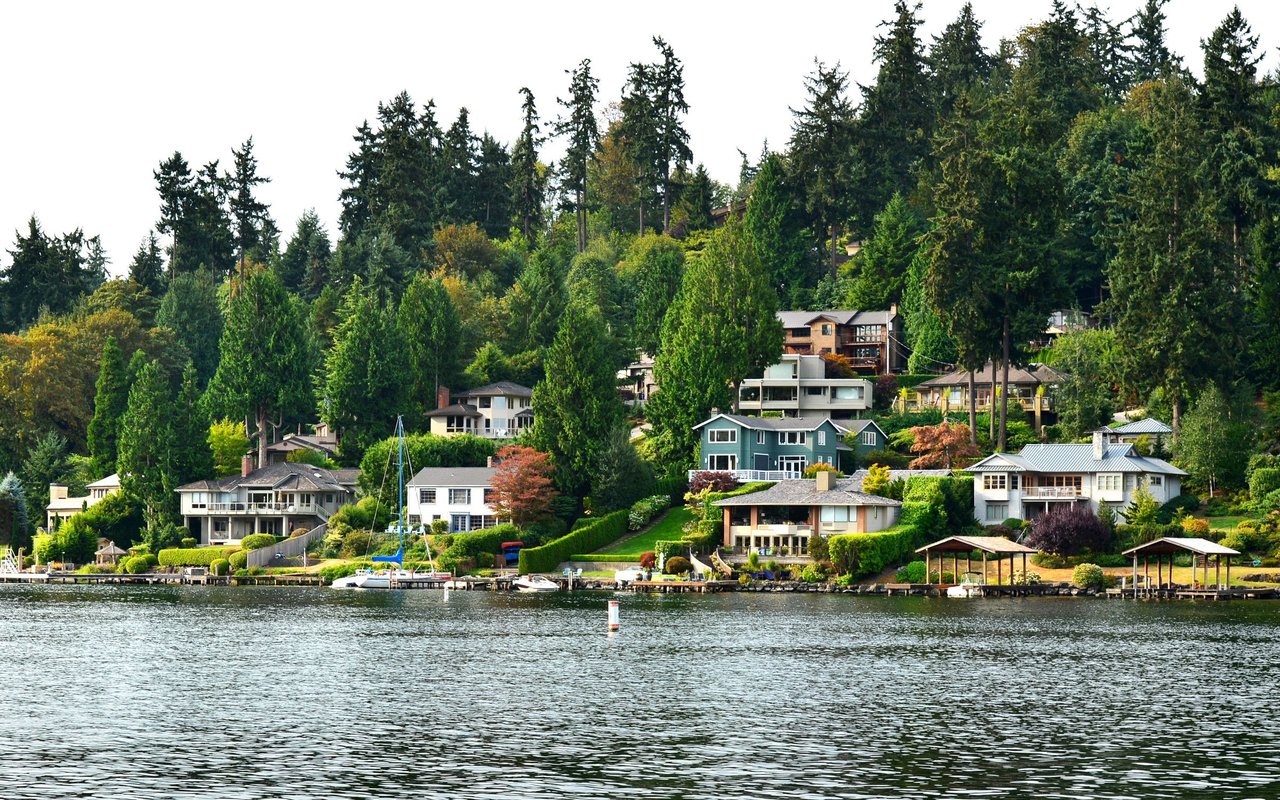
If you’re dreaming about a quieter pace without feeling cut off from the Eastside, North Bend deserves a closer look. This foothill city offers mountain views, trail access, and a small-town scale that appeals to buyers who want more breathing room in daily life. At the same time, buying here comes with premium pricing, limited inventory, and a few location-specific factors you’ll want to understand before you write an offer. Let’s dive in.
Why North Bend Feels Different
North Bend sits in King County along I-90, about 30 miles from Seattle and roughly a 25-minute drive from Bellevue according to the city. That location gives you a rare mix of outdoor setting and regional access. You can enjoy a foothill lifestyle while still staying connected to major job centers.
The city describes itself as a gateway to the Cascade Mountains, and that identity is not just branding. North Bend’s parks and trails resources point to easy access to hiking, fishing, bicycling, climbing, river sports, wildlife observation, and scenic views. For many buyers, that daily proximity to nature is the main reason to consider moving here.
North Bend is also growing. Census QuickFacts reports a population of 8,758 as of July 1, 2025, with 17.4% growth since 2020. Even with that growth, it remains a relatively small, owner-heavy community, with a 73.5% owner-occupied housing rate.
What the Lifestyle Really Looks Like
A quieter mountain lifestyle in North Bend usually means your weekends can start closer to the trailhead than the freeway. Depending on where you live, outdoor recreation may be within a short walk or bike ride from home. That can be a meaningful shift if you’re coming from a denser part of Seattle or the Eastside.
The city’s data also suggests a community with relatively high homeownership, strong household income, and a well-educated adult population. Census QuickFacts lists a median household income of $175,109, a median owner-occupied home value of $1,048,600, and 63.3% of adults age 25 and older with at least a bachelor’s degree. In practical terms, North Bend often attracts buyers looking for long-term lifestyle value, not just a shorter-term move.
That said, “quiet” does not always mean inexpensive or sleepy. North Bend remains part of a highly competitive regional housing market. You may find a more relaxed setting, but you should still expect serious competition when the right home comes up.
North Bend Housing Types
If you picture North Bend as mostly detached homes, that is still largely accurate. The city’s 2024 land-use plan shows a housing mix centered on residential neighborhoods, with low-density areas mostly made up of single-family homes. Some constrained low-density areas also include larger lots shaped by environmental conditions.
As the city evolves, the housing mix is broadening. Medium-density areas include cottages and attached homes, while high-density areas are mainly multifamily. The downtown form-based code is also intended to support mixed-use development and upper-floor housing over time.
For buyers, the key takeaway is simple: North Bend is still primarily a detached-home market, but townhomes, cottages, infill opportunities, and some multifamily options are part of the picture now and likely to become more visible over time. If you want a traditional single-family home, you will likely see the most choices in that category. If you are open to attached housing or newer infill, your options may expand slightly.
Neighborhood Patterns to Expect
The city’s planning documents describe several areas as primarily lower-density single-family neighborhoods. Forster Woods stands out as one area with both single-family and multifamily homes. That means your home search may vary quite a bit depending on whether you want a more conventional neighborhood feel, a newer mixed-housing area, or something closer to downtown.
This is where local guidance matters. In a market with limited inventory, it helps to know which parts of North Bend align with your priorities for lot size, home type, maintenance level, and proximity to trails or commuter routes. A smart search here is usually more targeted than broad.
Commuting From North Bend
North Bend’s access story starts with I-90 and SR 202, also known as Bendigo Boulevard. For many Eastside buyers, that direct connection is what makes the area workable. You get the mountain setting without giving up day-to-day access to Bellevue, Issaquah, or Seattle.
Still, you should be realistic about commute variability. WSDOT’s 2023 dashboard for the Issaquah to Bellevue segment showed average peak morning trips of 12 minutes in general-purpose lanes and 11 minutes in HOV, while the average peak evening trip was 16 minutes. Transit on that segment took 39 minutes.
Those figures do not measure a full North Bend-to-Bellevue commute, but they show why timing matters. A route that feels easy on a weekend afternoon can look different during weekday peak hours. If commute quality is important to you, test-drive the trip at the times you would actually travel.
Transit and Daily Access
If you prefer options beyond driving, North Bend does have transit connections. The city notes that King County Metro Route 208 connects North Bend and Snoqualmie riders to Issaquah Transit Center. Snoqualmie Valley Transportation also provides door-to-door and fixed-route service, plus valley shuttle, downtown loop, and vanpool options.
That does not make North Bend feel urban, and most buyers still think of it as a car-oriented location. But having these services in place can add flexibility for certain schedules and households. It is another reminder that North Bend is quieter, not isolated.
What the Market Means for Buyers
If you are shopping in North Bend, speed and preparation matter. Recent market trackers show a supply-constrained market where homes move quickly. Redfin reported that over the three months ending April 2026, homes sold in about 11 days on average, received 2 offers on average, and 25.7% sold above list price.
Pricing also reflects strong demand. Redfin reported a median sale price of $1,269,345, while Zillow reported an average home value of $1,018,854 and a median list price of $1,218,492. The numbers differ because the platforms use different methods, but both point to the same conclusion: North Bend is expensive, competitive, and fast-moving.
Zillow also showed 38 homes for sale, 20 new listings, and 10 days to pending. That kind of pace means buyers benefit from clarity before they begin touring. Knowing your budget, must-haves, and walk-away points can help you act quickly without feeling rushed.
How to Prepare Before You Shop
In a market like this, preparation is part of your strategy. Sellers frequently require a preapproval letter, so getting lender documentation lined up before you start seriously shopping can save valuable time. It also helps you understand your monthly comfort zone before emotions enter the picture.
It is equally important to think through your offer terms in advance. In a competitive environment, buyers often feel pressure to simplify offers. But your goal is not just to win a house. Your goal is to buy the right house with protections that still make sense for your situation.
A strong pre-shopping plan should include:
- Your price ceiling and preferred monthly payment range
- A clear list of must-haves versus nice-to-haves
- Your ideal commute pattern and travel times
- Your comfort level with inspection and financing protections
- Extra cash reserves for maintenance, insurance, and moving costs
North Bend Due Diligence Matters
North Bend buyers should pay close attention to parcel-specific conditions. The city’s land-use plan flags floodplain and floodway constraints, geologic hazards, wetlands, native wildlife and fish habitat, and wildfire risk in forested surroundings. These are not abstract planning terms. They can affect insurance, maintenance, drainage, access, and future use of the property.
This matters most for river-adjacent, wooded, hillside, or larger-lot homes. A beautiful setting may also come with more upkeep or more complex property questions. Before you make an offer, it is wise to understand how the land itself could affect your ownership experience.
The official flood-hazard mapping source is FEMA’s Flood Map Service Center, and Washington DNR provides the state’s current general wildfire hazard and risk mapping resource. In practical terms, you want to look beyond finishes and views. You are also evaluating the property’s physical setting and what that may mean over time.
The Long-Term Outlook
North Bend is not standing still. The city’s land-capacity analysis says it has room for 1,207 new dwelling units on developable land, and its housing efforts include tools such as sales-tax funding, fee exemptions, and a multifamily tax exemption to support more housing options. The city also notes that 26% of households spend more than 30% of their income on housing-related costs, which helps explain the push to diversify supply.
For buyers, that likely means the housing mix may broaden gradually over time. Even so, today’s resale market remains relatively tight and skewed toward detached homes. If North Bend fits your lifestyle goals, it makes sense to shop with both urgency and selectivity.
Is North Bend Right for You?
North Bend can be a wonderful fit if you want mountain access, a quieter setting, and a home that feels more connected to the outdoors. It can also work well if you still need regular access to Bellevue, Issaquah, or Seattle and are comfortable with a commute that may vary by time of day. For many buyers, that trade-off feels worthwhile.
The key is going in with a clear plan. You are not just buying a home here. You are choosing a lifestyle, a land context, and a pace of life that looks different from more typical suburban markets.
If you’re considering a move to North Bend and want a thoughtful, data-driven approach to your search, Latifa Sciore offers polished, high-touch guidance to help you evaluate the market, narrow your options, and move forward with confidence.
FAQs
What is the home market like in North Bend, WA?
- North Bend is a competitive, supply-constrained market where homes have recently sold quickly, often in about 10 to 11 days, with some selling above list price.
What types of homes can you buy in North Bend, WA?
- North Bend is still mostly a detached-home market, though you may also find townhomes, cottages, infill homes, and some multifamily or mixed-use housing.
What should buyers know about commuting from North Bend, WA?
- North Bend has direct access to I-90 and SR 202, which helps with travel to Bellevue, Issaquah, and Seattle, but commute times can vary meaningfully by time of day.
What property risks should buyers check in North Bend, WA?
- Buyers should review parcel-specific factors such as floodplain conditions, geologic hazards, wetlands, wildfire risk, drainage, and access, especially for wooded, hillside, river-adjacent, or larger-lot homes.
Is North Bend, WA a good fit for a quieter lifestyle?
- North Bend can appeal to buyers who want a smaller-scale community with strong outdoor access, scenic surroundings, and a more relaxed daily feel while staying connected to the Eastside.